Our goal at Lending Valley is to provide all small business owners access to the best loans possible for their business. You can rest assured we will get you the best rates in the market!
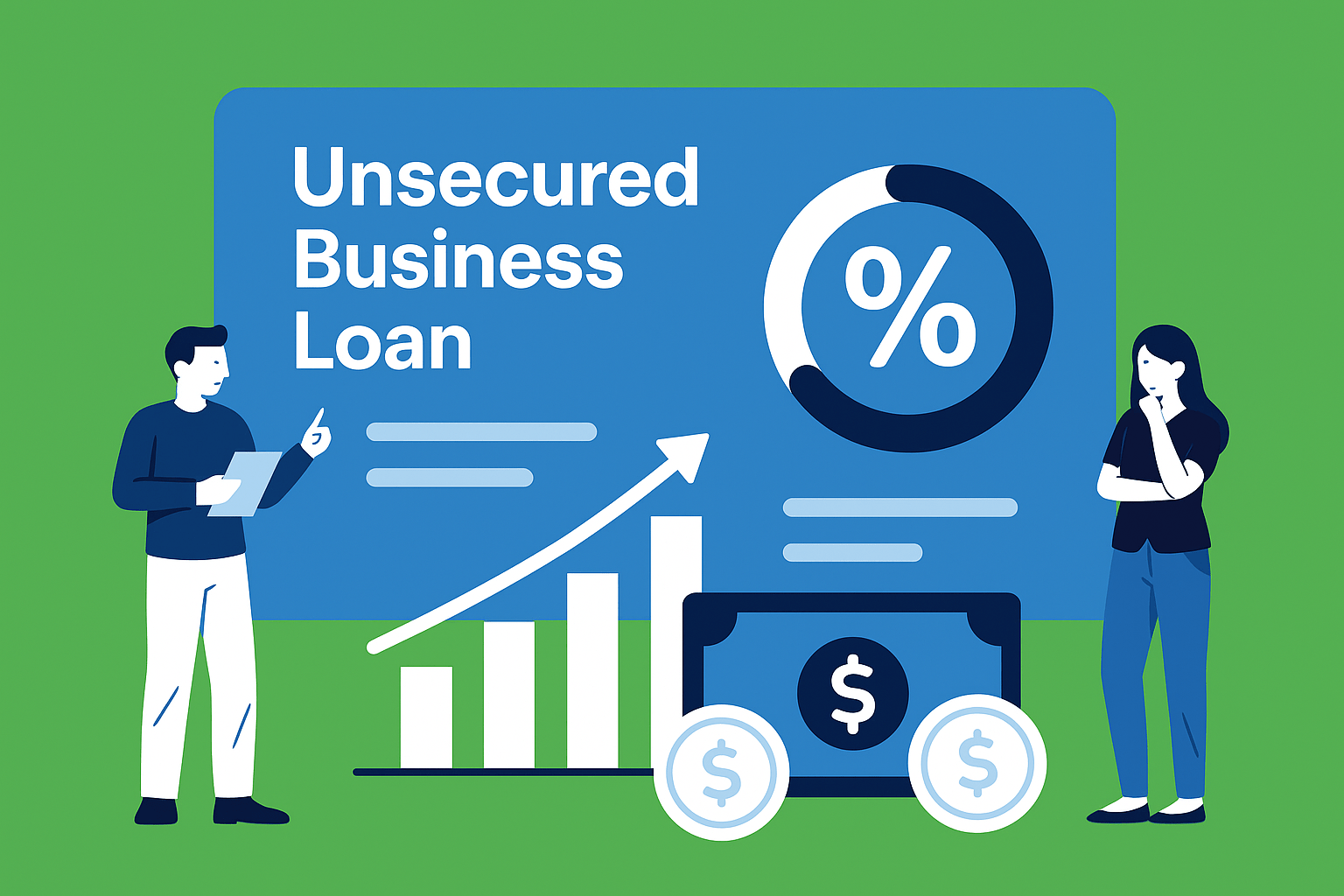
Ever been stuck waiting weeks for a bank to decide on your loan, only to hear “we’ll need collateral”? It’s frustrating — especially when your business needs quick capital to seize an opportunity or cover expenses. Many small business owners are facing this same challenge in 2025; tighter credit rules, higher interest rates, and slower bank approvals have made funding harder to secure. That’s where unsecured business loans from direct lenders step in.
They skip the collateral, simplify the process, and deliver funding in days, not weeks. If you’re trying to keep your operations running, expand, or just get breathing space, this guide is built for you. We’ll unpack how unsecured loans work, what’s new in 2025, and how to choose between a direct lender and a marketplace.
Before you make your next financial move, stay till the end. There’s a checklist and a quick quiz to help you choose smarter funding options.
When your business needs money fast, the route you choose can change everything.
Direct lenders deal with you directly. You fill one application, work with one underwriter, and often get a decision within 24 to 72 hours. The upside is speed and clarity; you know exactly who’s handling your case. The downside? You may not get multiple competing offers.
On the other hand, marketplaces or brokers send your application to several lenders. While you might see different rates and terms, it also means more calls, more follow-ups, and sometimes hidden broker fees.
| Direct Lender | Marketplace/Broker |
|---|---|
| One direct relationship with the lender | Multiple lenders compete for your application |
| Fast approvals (1–3 days) | Longer process (5–10 days on average) |
| Transparent fees and terms | May include broker or referral fees |
| Best for speed and simplicity | Best for comparing multiple offers |
When to choose a direct lender: You value speed, privacy, and consistent communication.
When to choose a marketplace: You want to compare multiple offers before committing.
Unsecured doesn’t mean risk-free or “no strings attached.” It simply means you don’t have to pledge real estate, vehicles, or equipment as collateral.
However, most direct lenders still want some form of protection. That often includes:
Think of these as safety measures for the lender. Understanding these terms before signing helps you avoid surprises later.
Pro Tip: Always ask how a lender defines “unsecured.” Some may still require limited collateral or blanket liens, depending on your credit profile. A clear discussion upfront saves stress later.
If you need fast, flexible funding from a trusted merchant cash advance company, Lending Valley is here to help.
Unsecured loans have evolved this year, faster tech integrations, higher limits, and new fintech competition have changed the game.
The combination of digital underwriting and automated risk assessment has made funding faster than ever — especially for small businesses with limited assets but consistent cash flow.
Unsecured funding isn’t one-size-fits-all. Different products exist for different needs. Here we have enlisted the types of unsecured business loans direct lender. Let’s have a look at them one by one!
You receive a lump sum with fixed payments. Perfect for one-time expenses like marketing, expansion, or hiring.
You can draw funds, repay, and reuse them when needed. Ideal for managing cash flow or covering seasonal expenses.
Advance payments against unpaid invoices help you bridge revenue gaps if clients pay late.
A lump sum repaid via a percentage of future sales. It’s fast but expensive, better for emergencies than long-term use.
Example:
A retailer used a $75,000 unsecured line of credit to stock inventory before the 2024 holiday rush. Sales cleared the balance within 90 days, keeping profits steady without debt lingering into 2025.
Another case, a marketing firm used invoice financing to cover team payroll during a delayed corporate payment cycle. It helped maintain operations without dipping into reserves.
The lending landscape has shifted again this year. Several regulatory and economic factors are shaping unsecured business loans direct lender policies:
The Federal Reserve’s recent rate hikes have pushed average APRs for unsecured loans higher across the board. In 2025, even prime borrowers are seeing rates between 11% and 15%, while newer businesses may face 20% or more. This change reflects the increased cost of borrowing and lenders’ tighter risk controls. It’s now more important than ever to compare offers carefully before signing.
SBA microloans under $50,000 have become harder to qualify for this year. The Small Business Administration raised its minimum SBSS (Small Business Scoring Service) credit requirements, meaning applicants need stronger credit histories and more consistent cash flow. While this filters out high-risk applications, it also limits access for newer entrepreneurs still building their credit profile.
Read more about Ways to get short term loan quick in this blog
A major shift in 2025 is the growing presence of fintech lenders in the unsecured business loan space. Many of these new direct lenders operate entirely online, using AI-driven underwriting and instant verification tools. That means faster approvals — often within hours — and a smoother experience for borrowers frustrated with traditional bank paperwork. The competition has also led to more flexible repayment models.
The SBA has reintroduced certain guaranty fees for unsecured loans this year, slightly raising upfront costs for borrowers. These fees help offset risk for lenders and keep federal loan programs sustainable. While the added expense might feel inconvenient, it’s usually small compared to the total loan amount and can still be worthwhile if the loan offers favorable terms or longer repayment options.
Example:
In 2025, more small e-commerce owners are choosing fintech lenders like Fundbox or BlueVine because of their quick digital processes. Approval times dropped from days to hours — a clear edge over traditional banks.
Getting approved is easier when you understand what lenders actually care about:
Pro Tip:
Reduce overdrafts, keep higher bank balances, and ensure tax filings are clean. Lenders check your financial behavior as closely as your credit score — showing stability can increase approval chances significantly.
Unsecured loans often cost more than secured ones, but smart borrowers can still manage those costs. You can reduce your overall expense by:
Lead Magnet #1: “Direct Lender Cost-Cut Sheet”
We’ve created a quick guide showing how interest and term length affect total repayment. Download it to understand how a few changes in structure can save thousands over time.
Applying for an unsecured business loan direct lender is simpler than it looks:
Lead Magnet #2: “Direct Lender Due Diligence Checklist”
Before signing, use this list of 5 key questions every business owner should ask. Understanding these details upfront ensures your funding choice aligns with your long-term goals.
1. Seasonal Retailer:
A toy shop borrowed unsecured funds ahead of December sales. The owner repaid in January from holiday profits, keeping operations steady without touching personal savings.
2. Consulting Firm:
An agency factored invoices to cover payroll during a 90-day delay in client payments. The quick approval from a direct lender helped them maintain momentum.
3. E-commerce Brand:
An online clothing brand took a $60,000 short-term unsecured loan to ramp up ad spending. The increased sales easily covered repayment, leading to 40% higher Q2 revenue.
Pro Tip:
Use unsecured funding for growth, not survival. Borrowing to bridge temporary gaps or fund expansion keeps your cash flow healthy and your business scalable.
1. Are these really no-collateral loans?
Yes, unsecured business loans direct lender don’t require you to pledge assets like property or equipment. However, most lenders still ask for a personal guarantee or sometimes file a UCC lien on general business assets. These measures protect the lender in case of default, so it’s smart to review all terms carefully before signing the agreement.
2. How fast can I get funding?
Speed is one of the biggest advantages of direct lending. Many direct lenders process applications, verify documents, and release funds within 24 to 72 hours. Online platforms with automated underwriting make it even faster, especially for returning borrowers with clean financial records. Compared to traditional banks, it’s a much quicker route to get your business funded.
3. How much can I borrow?
Most banks offer unsecured business loans ranging from $20,000 to $100,000, while online direct lenders may extend up to $250,000 or even more for established companies. Your credit score, revenue consistency, and time in business play a major role in the loan amount you’re approved for. The stronger your financial profile, the higher your borrowing potential.
4. Do SBA loans count as unsecured?
Some SBA loans, especially microloans under $50,000, don’t require collateral — but that doesn’t mean there are no strings attached. Personal guarantees are still standard, and lenders can place a general claim on business assets if repayment issues arise. It’s best to ask each SBA-approved lender exactly how they define “unsecured” before proceeding.
5. Which is cheaper: direct lender or marketplace?
That depends on your priorities. Marketplaces might help you find lower rates by comparing multiple lenders, but they often involve broker fees and longer processing times. Direct lenders tend to offer clearer terms, fewer middlemen, and faster decisions. If timing and simplicity are key, direct lenders usually prove more cost-effective in the long run.
At Lending Valley, we specialize in direct lender business loans that cut out the middleman. Whether you need $25,000 for working capital or $250,000+ to expand, our strong network of trusted direct lenders helps you get funded — fast and without the hassle.
Case in Point:
A bakery owner came to us needing $50,000 to open a second location. Banks said “too new.” Lending Valley matched her with a direct lender, and she was funded in 5 days. Today, her second shop is thriving and growing steadily.
Ready to see what’s possible for your business? Apply with Lending Valley today and get a decision in under 24 hours. Our funding specialists are here to guide you — no pressure, no hidden terms, just straightforward financing designed for growth.
Unsecured business loans direct lender have become the go-to funding option for small businesses that value speed, simplicity, and flexibility. In 2025, they’ve only become faster and more accessible. With the right approach and a trusted partner, you can secure capital without collateral — keeping your business moving forward, one smart decision at a time.